Recycling and Sustainability at Landscaping Gunnersbury
 At Landscaping Gunnersbury, sustainability is built into the way every outdoor project is planned, carried out, and maintained. From garden clearances to regular grounds upkeep, the focus is on reducing waste, reusing materials where possible, and making responsible choices that support a greener local environment. The aim is not simply to tidy and transport green waste, but to create a circular process where materials are sorted carefully, taken to appropriate facilities, and redirected into useful new forms whenever possible.
Our recycling commitment includes a clear target: to recycle or recover at least 90% of suitable waste generated through landscaping operations. This includes green cuttings, soil, small amounts of inert material, and recyclable packaging from site work. The recycling percentage target is monitored internally, with each load recorded so that improvements can be measured over time. In practice, this means less material going to landfill and more resources returning into the local supply chain.
Much of this work depends on the well-established network of local transfer stations serving west London. Waste from landscaping and garden maintenance is separated before transport, then delivered to transfer stations where it can be weighed, sorted, and processed correctly. This is especially important in an area where borough-led waste systems encourage careful separation of green waste, metals, timber, plastics, and soil. By using local facilities rather than unnecessary long-haul journeys, Landscaping Gunnersbury supports both efficiency and lower emissions.
 Sustainability also extends beyond waste handling. Recovered items such as paving pieces, decorative stone, and sound timber edging may be cleaned and reused on suitable projects, helping reduce demand for new materials. Where reuse is not practical, the team prioritises recycling routes that keep materials in circulation. This approach reflects the wider borough emphasis on source separation, where household and commercial waste streams are managed with clear distinctions between organic waste, dry recyclables, and residual rubbish. The same principle works well in landscaping, where a careful sort at source improves the quality of recyclable loads.
Another important part of the recycling strategy is the handling of green waste. Grass cuttings, hedge trimmings, leaves, and prunings are collected separately so they can be turned into composting or biomass inputs, depending on the destination facility. This is a practical example of how landscaping waste management can support the local circular economy. Even when projects involve substantial clearance work, the emphasis remains on converting organic matter into a useful resource rather than treating it as disposal-only waste.
The team also works with local suppliers who share a low-waste mindset. Bulk deliveries are preferred over small, repeated shipments, and materials are chosen for durability so that they need replacing less often. In this way, recycling in landscaping begins long before a waste bin is filled. It starts with better planning, accurate material estimates, and a preference for products that can be maintained, repaired, or reclaimed over their full life cycle.
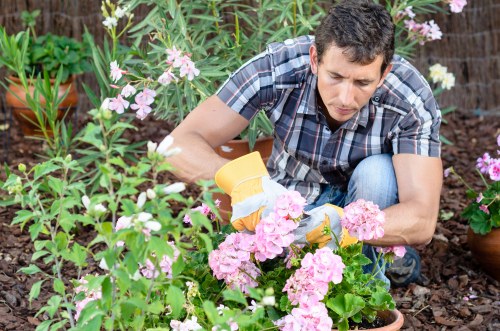 Partnerships with charities are another meaningful part of the sustainability programme. Usable surplus materials, plant stock, tools, pots, decorative items, and other suitable resources may be directed to charitable organisations where they can support community gardens, training spaces, or local environmental projects. These partnerships help ensure that items still in good condition do not become waste. They also offer practical benefits to groups that work with schools, neighbourhood gardens, and green volunteering initiatives.
Such charitable partnerships are especially valuable when clearance or redesign work produces items that are no longer needed on site but still have life left in them. Rather than sending them straight into disposal channels, Landscaping Gunnersbury seeks opportunities to extend their use. This can include passing on planters, trellis sections, healthy surplus plants, and selected hard landscaping pieces. The result is a more thoughtful cycle of reuse that reduces environmental impact while contributing to wider community benefit.
Low-carbon vehicles are equally central to the operation. The fleet includes low-carbon vans designed to reduce emissions on local journeys, with efficient routing used to limit unnecessary mileage. This matters in and around Gunnersbury, where traffic levels, short-trip work patterns, and frequent site visits can quickly increase a project’s carbon footprint. By using cleaner vehicles and planning routes carefully, the business reduces fuel use and supports air-quality goals across nearby boroughs.
 In addition to the van fleet, drivers are trained to reduce idling time, consolidate journeys, and match vehicle size to the job. These small changes make a significant difference across a working week. For larger amounts of green waste, loads are organised to maximise vehicle capacity while still keeping the material streams separated. This balance of operational efficiency and environmental responsibility is an important part of modern Landscaping Gunnersbury recycling practice.
The sustainability approach also reflects the waste-separation habits encouraged across the local area. Boroughs in west London commonly ask residents and businesses to sort food waste, garden waste, dry recyclables, and general waste as clearly as possible. Landscaping activity follows the same logic by separating soil, organics, wood, packaging, and mixed waste at the point of collection. This makes the transfer-station process more effective and improves the chance that recovered materials can be recycled or composted successfully.
 Where suitable, even the smallest materials are considered for recovery. Metal fixings, clean cardboard, plastic plant pots, and packaging films are separated from green waste so they can enter the correct recycling stream. Timber from old structures may be assessed for reuse, while natural waste is channelled towards composting or biomass recovery. This layered approach shows how sustainable landscaping is not one action, but a chain of decisions that all support better environmental outcomes.
For customers and local organisations, the benefit of this approach is straightforward: cleaner sites, less waste, and a service that aligns with modern environmental expectations. For the wider community, it means a landscape contractor that contributes positively to local borough recycling goals, supports charitable re-use, and lowers transport emissions through its choice of vans and route planning. At every stage, the emphasis remains on practical sustainability rather than slogans.
Landscaping Gunnersbury is committed to keeping improving year by year, with a recycling target that encourages accountability and a working model that makes environmental sense on the ground. By using local transfer stations, supporting charities, and relying on low-carbon vans, the business helps ensure that landscaping and waste management can work together responsibly. The result is a greener service for Gunnersbury and a stronger contribution to a more sustainable west London.